

Introducing the GenderSci Lab COVID Project
In most places, men are dying at higher rates than women of COVID-19. In this post, accompanying our Op-Ed in the NYT and the launch of our US Gender/Sex in COVID-19 Data Tracker, we explain how the explanation for this trend is not all biology. In fact, our findings strongly suggests that gender/sex differences in COVID-19 vulnerabilities mediated by social context.

Highlights from the GenderSci Lab’s US Gender/Sex Covid-19 Data Tracker
As a part of its COVID Project, the GenderSci Lab began collecting weekly data on cases and deaths for the fifty U.S. States, Washington, DC, Puerto Rico, and the U.S. Virgin Islands on April 13, 2020, with data published today on our website. Here, we offer key take-aways from this first data roll-out. Stay tuned in future weeks for more insights!

Bostock, the HHS Rule, and Legal Reliance on Biological Claims about Sex: An Analysis from the GenderSci Lab
Last week was big news for LGBTQ+ rights in the US. Two major pieces of law came out just days apart, changing the landscape of sex-based anti-discrimination law and the way sex is understood in federal law. In this post, we briefly outline these new legislative policies, consider the implications for LGBTQ+ rights in the US, and think about how this changes legal reliance on biological claims about sex.

Gender Equality ≠ Gender Neutrality: When a Paradox is Not So Paradoxical, After All
In the Gender Equality Paradox, gender equality is assumed to imply gender neutrality. In this post, I explain why this assumption is unfounded, drawing on social psychological research. When we recognize that gender-equal is not synonymous with gender-neutral in terms of stereotypes and attitudes, the Gender Equality Paradox falls apart.

If not a paradox, then what? 7 alternative explanations for the inverse correlation between the Global Gender Gap Index and women’s tertiary degrees in STEM
The goal of this post is to identify the assumptions underlying an evolutionary explanation of the Gender Equality Paradox and to offer some equally strong, if not stronger, hypotheses that could be tested.

Gender Stereotypes, Gendered Self-Expression, and Gender Segregation in Fields of Study: A Q&A with Professor Maria Charles
Here, we situate the Gender Equality Paradox in the larger field of understanding gender segregation in STEM fields by talking to renowned scholar Professor Maria Charles, Professor of Sociology, Director of the Broom Center for Demography, and Feminist Studies affiliate at the University of California, Santa Barbara. Professor Charles has worked for decades to understand why postindustrial countries have greater segregation in STEM fields, and she draws on her broad expertise on the persistence of gender inequalities in gender-progressive societies and global variation in gender equality to help us understand the Gender Equality Paradox.

Measuring Gender Equality
According to the Gender Equality Paradox, the more gender equal a country, the fewer women in that country participate in STEM. But how is a country's gender equality measured? In this post, we show how looking carefully at measurement choices might lead us to re-think scientific claims about the so-called Gender Equality Paradox.

Gender Equality Paradox Monkey Business: Or, How to Tell Spurious Causal Stories about Nation-Level Achievement by Women in STEM
This post is an explainer and supplement to our Psychological Sciences Commentary. We discuss five key problems with data and inferences that we identified in Stoet and Geary’s study. In places it’s a bit of a wonky read, but we unpack some serious issues, including issues with replicating the findings, spurious correlations, study design, and the ecological fallacy.

The GenderSci Lab Takes On the Gender Equality Paradox Hypothesis: Introduction and Primer
Is the feminist project to bring about parity for women and men in traditionally male fields doomed? In this blog post series, we expand on these contributions and offer a thorough consideration of the “Gender Equality Paradox” hypothesis and its theoretical and methodological underpinnings and the assumptions required for it to operate.

The Complex Political Terrain of "Born this Way" in the Era of Big Data Genomics
“Unfortunately, scientific results do not determine their own political interpretations, nor do the investigators.”

Ethical Oversight of GWAS Studies: Are We Doing Enough to Protect Communities?
Does human sexuality have a genetic component? In an era of genomics that allows parents to select for traits such as the skin color or eye color of their baby, and of continued discrimination, imprisonment, and even death penalities for LGBTQ+ people globally, questions around the genetic determinacy of sexuality require close ethical consideration.

A Haunted GWAS: The Missing Historical and Social Context in the “Gay Gene” Study
“The HIV/AIDS epidemic, along with the milieu of social, legal, and political factors that have shaped the entwined experiences of LGBT oppression and liberation over the 20th and 21st centuries, has generated challenges to estimating uniform conditions for self-reporting same-sex sexual behavior across space and time.”

The GenderSci Lab’s Letter in Science: Context and Further Commentary on GWAS Studies of Same-Sex Sexuality
In a recent Science Letter, “Genome Studies Must Account for History”, and in this short blog series, the GenderSci Lab investigates the social and historical context of the biobank data used for a recent genetic study of same-sex sexuality, and explores the political and ethical implications of these projects.

Undergraduate research assistant position in Finance & Women’s Health in the Harvard GenderSci Lab
The Harvard GenderSci is hiring an undergraduate research assistant for an exciting new project evaluating the rise of private equity in obstetrics/gynecology/fertility within the United States.
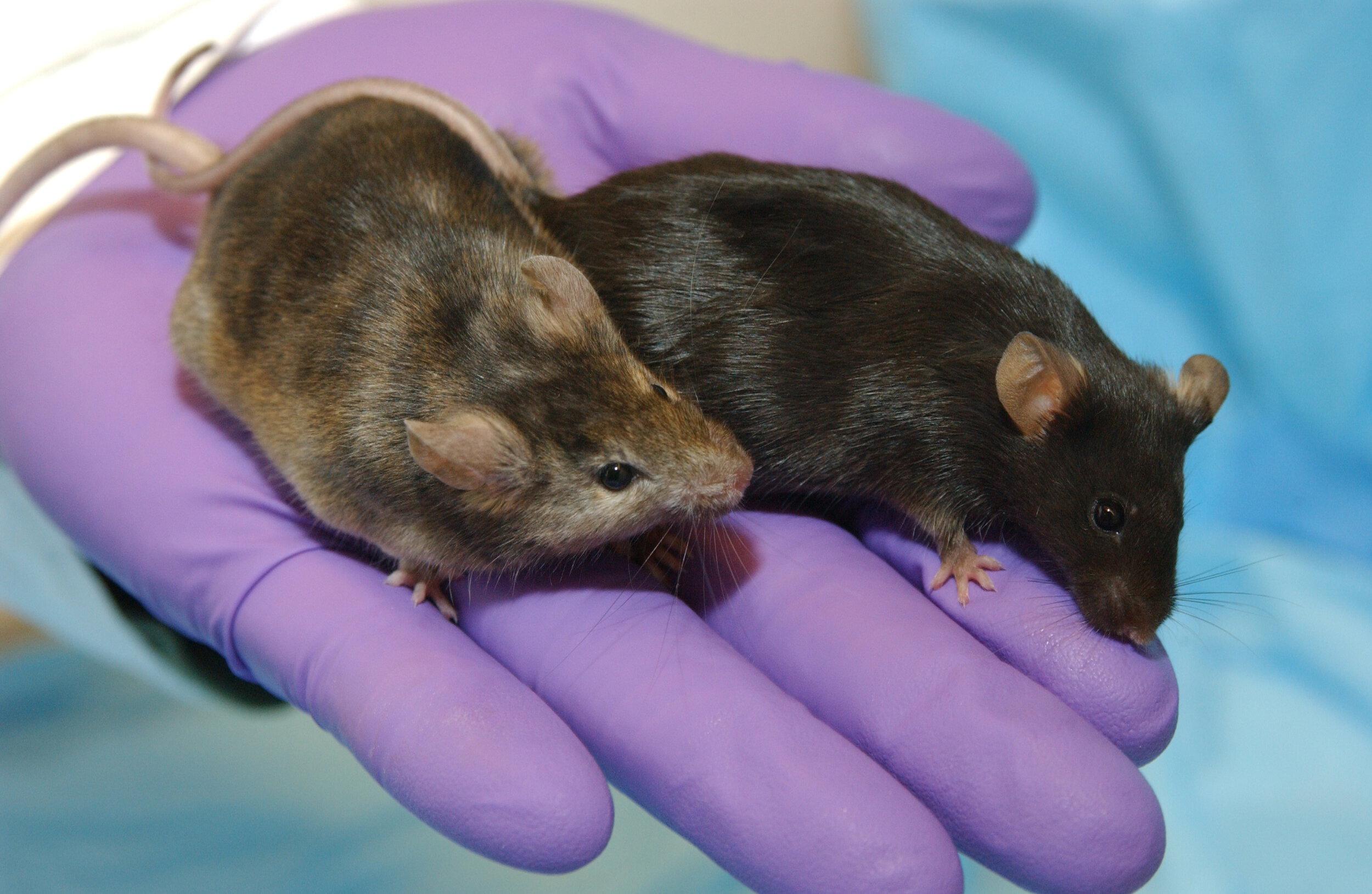
Three Years In: “Sex as a Biological Variable” Policy in Practice - and an Invitation to Collaborate
In 2016 the NIH issued a policy requiring consideration of sex as a biological variable (SABV) in all NIH-funded preclinical research on vertebrate animals and human cells and tissues…three years later, what have been the impacts of the policy on scientific research?
To answer this question, this year I conducted in-person, semi-structured interviews with nine basic science researchers from three different laboratories on the East Coast of the United States that use animal and tissue models to study metabolic disease. I transcribed the full interviews and then conducted thematic analysis of the data using the NVivo software to help organize my coding.

GenderSci lab seeks legal database-savvy research assistant
The GenderSci Lab at Harvard is seeking a law student research assistant (RA) to be part of an exciting multidisciplinary research team. Preference is given to Harvard Law students.

"Knowledge that Matters" is Her Mantra
Meet GenderSci Lab Director Sarah Richardson and learn more about the Lab’s origin story in science writer Bennett McIntosh’s in-depth profile in this month’s Harvard Magazine.

Q&A with Heather Shattuck-Heidorn
Interview with GenderSci Lab Assistant Director Heather Shattuck-Heidorn, Newly-Appointed Assistant Professor of Women and Gender Studies at University of Southern Maine

Period power or wrong, period?
Does athletic performance vary systematically across the menstrual cycle? Attempts to quantify changes in athletic performance have yielded mixed results.

Q&A with Meredith Reiches
Interview with GenderSci Lab Assistant Director Meredith Reiches, winner of the 2019 Catharine Stimpson Prize for Outstanding Feminist Scholarship